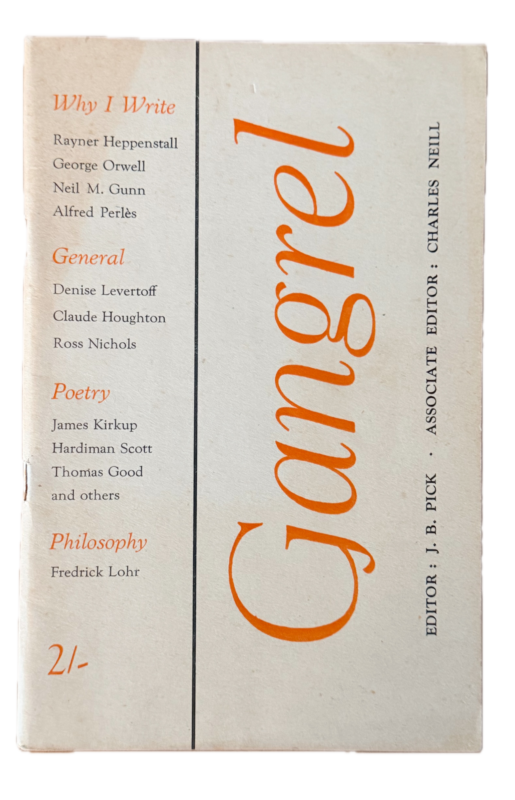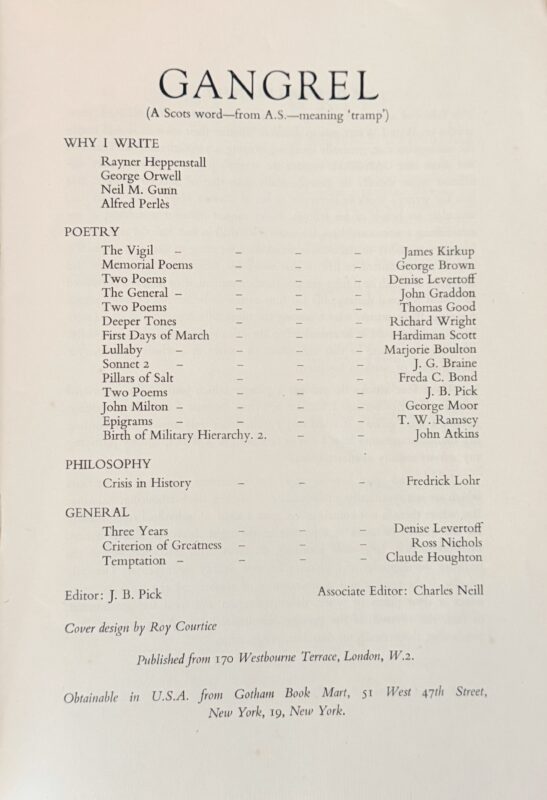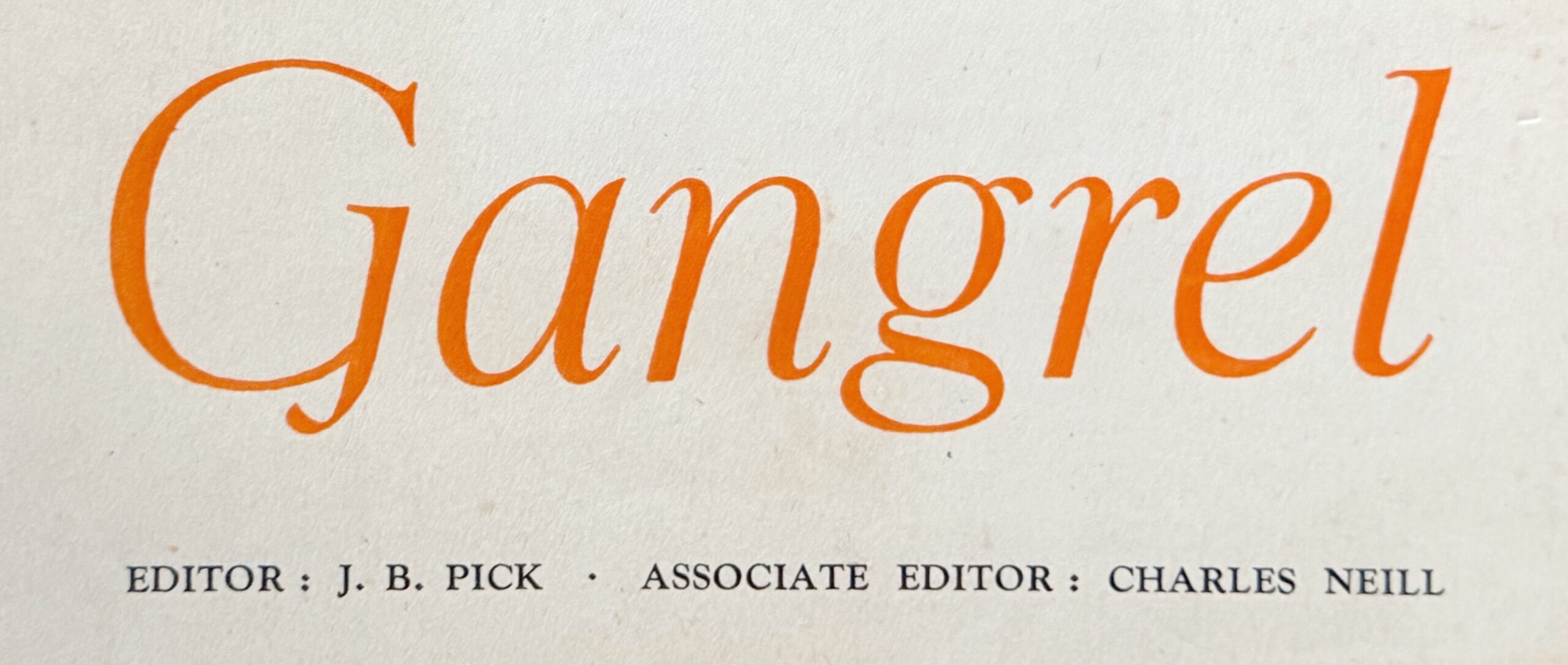
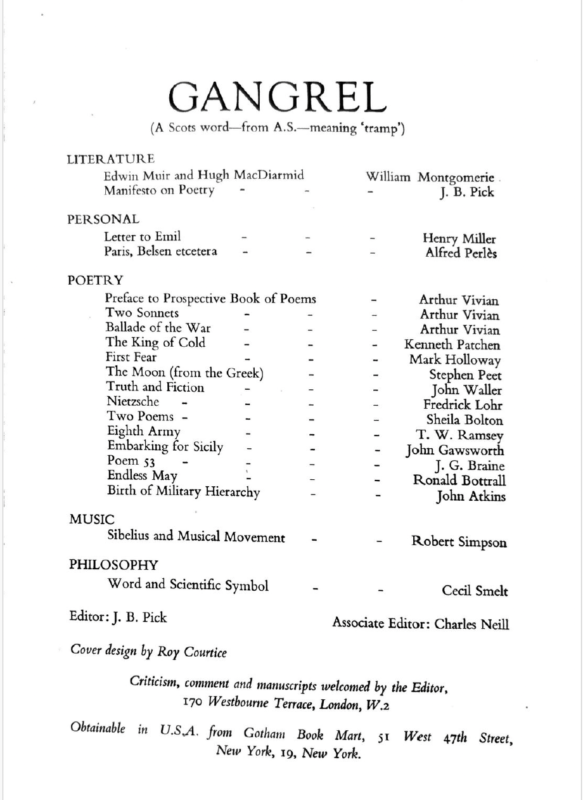
This is an alphabetical list of the contributors named in the contents pages of all four issues of Gangrel with brief biographical notes and links for further study. Please contact me if you can assist in any way.
Bryan Anstey B.Sc., F.R.I.C.S., F.A.I., F.I.A.S., F.R.V.A. (1905-1974) — was a chartered surveyor, poet and writer on the relationship between land, economic value and public welfare. Besides books about land valuations, he published, The Right to Light (1963); True Mirror (1973). He inscribed God and Things (1945), a book of letters to his eight-year old son, “To C.S. Lewis, with regards, and esteem and thanks. Bryan Anstey”. He contributed “The Look” (Gangrel #2).
John Atkins (1916–2009) — Atkins was an English writer, critic and teacher who became a close friend and literary collaborator J. B. Pick (for 64 years) who resided temporarily at 170 Westbourne Terrace while AWOL. He was the conduit between Orwell and Pick, later writing George Orwell: A Literary Study (1954) which was updated with an extra chapter in 1971. His Gangrel contributions were “Mr. Mil, Samson, Mr. Ton, Dalilah” (Gangrel #1), “Canning” (#1) and “Birth of Military Hierarchy” (#3), continued as “Birth of Military Hierarchy. 2.” (#4).
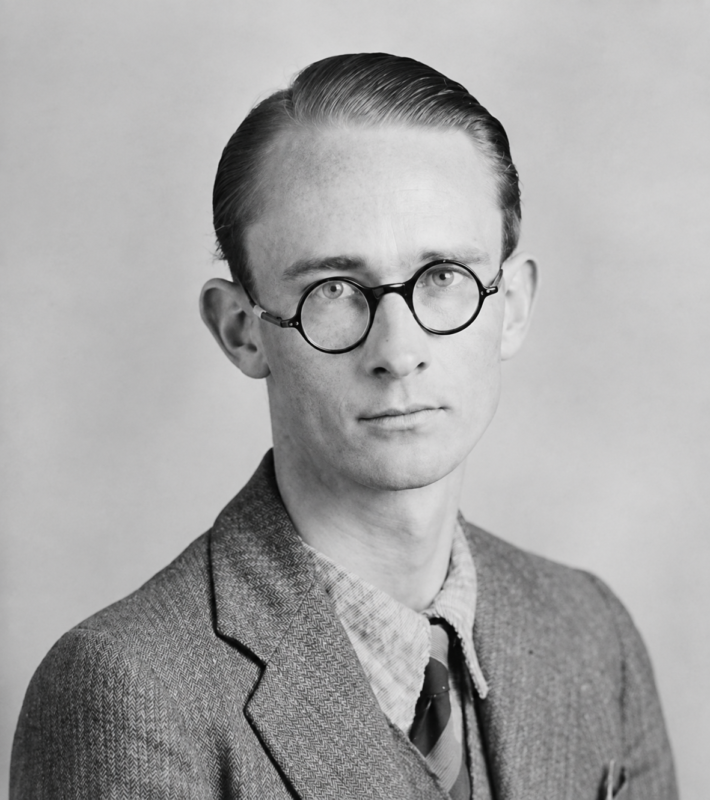
Sheila Bolton — contributed “Two Poems” (Gangrel #3).
Freda C. Bond (1894–1983) — was an English poet, journalist and children’s writer. She attended Ipswich High School and read history at Girton College, Cambridge. Bond worked as a civil servant in the Ministry of Labour (1917-33); as manager of the Church Shop in Newcastle-on-Tyne (1936-37); and, was an investigator of milk consumption in South Shields (1938-39). One would imagine it possible she knew Eileen Blair. Bond contributed “Pillars of Salt” (Gangrel #4).
Marjorie Boulton (1924–2017) — was an English poet, biographer and scholar who subsequently became one of the major literary figures of the Esperanto movement. She studied English at Somerville College, Oxford where she was taught by C. S. Lewis and J. R. R. Tolkien. Boulton was a candidate for the Nobel Prize in Literature (2008). Her contribution was “Lullaby” (Gangrel #4).
Ronald Bottrall (1906–1989) — was a Cornish-born poet, critic, teacher and administrator whose poetry had already attracted the attention of F. R. Leavis and T. S. Eliot. He contributed “Endless May” (Gangrel #3).
J. G. Braine (1922–1986) — was an obscure young writer until Room at the Top (1957) made him one of the best-known novelists associated with the Angry Young Men. He also belonged to the Atkins–Pick literary circle. Braine contributed “Poem 45” (Gangrel #2), “Poem 53” (#3) and “Sonnet 2” (#4).
George Brown — contributed “Memorial Poems” (Gangrel #4).
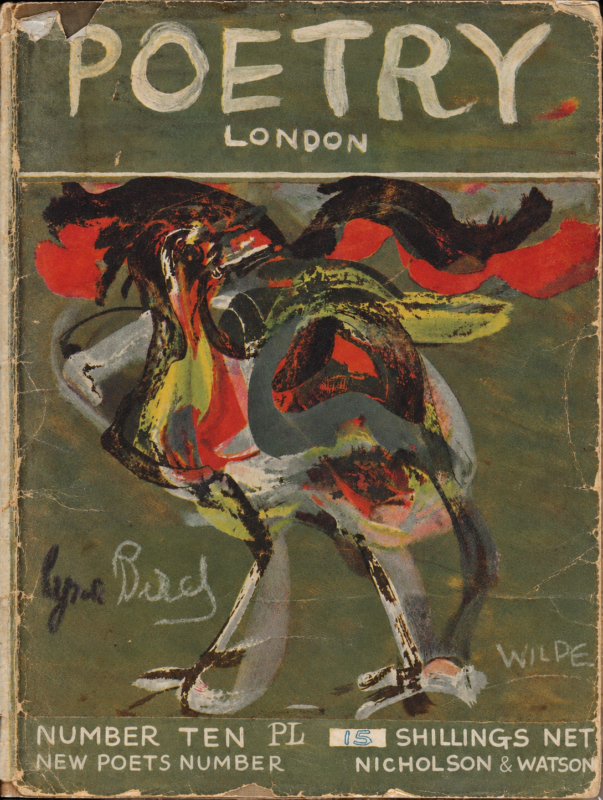
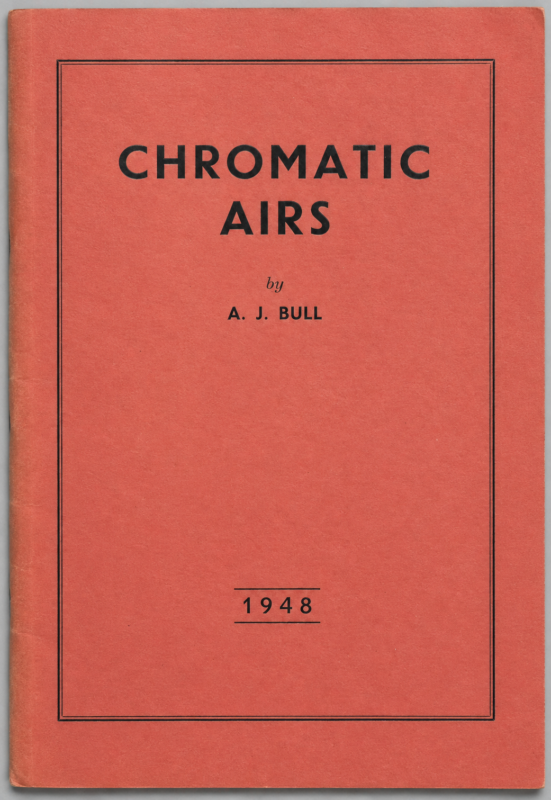
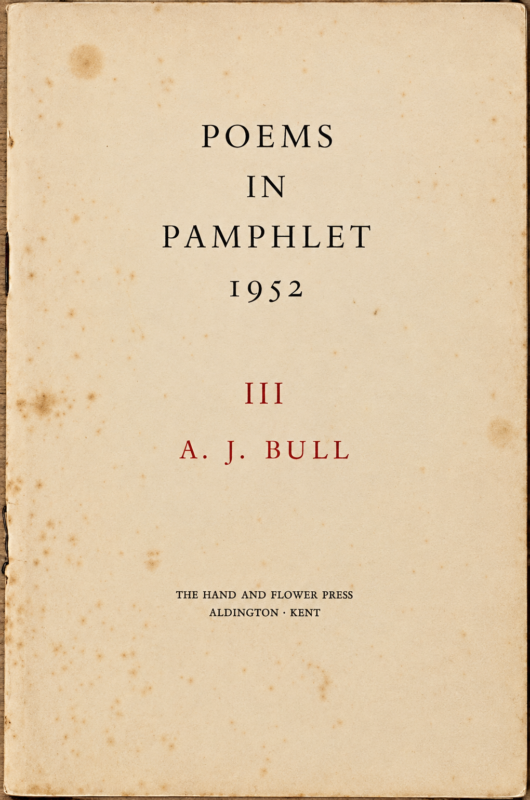
A. J. Bull — Arthur J. Bull was a poet whose work appeared in Poetry, the Observer and the Adelphi during the 1940s. His work appeared in Poetry London X (1944), edited by Tambimuttu ,along with that of eight other contributors to Gangrel. Poems in Pamphlet was an influential monthly literary initiative running in the early 1950s to showcase work from poets who had “hitherto not been published in book form”. Each monthly issue was dedicated to a single poet’s collection. His Selected Poems (1966) and Collected Poems (1975) were edited by another contributor to Gangrel, Howard Sergeant. John Atkins wrote in his diary during June 1948: “Am reading A.J.Bull’s Chromatic Airs, but they are disappointing. Bull can write a very good poem, but can’t find a publisher to give him encouragement. As a result, he’s brought this out on his own, and they’re nearly all bad. If only people like him could get the help they need. His old schoolmate, Strachan, who is potentially less of a poet, is at the same time a terrific go-getter and is making his reputation. Writing is chaotic and heart-breaking.” Bull contributed two pieces, “Success” and “Love and Death” (Gangrel #2).
W. W. Coupe (-1949) — was a deeply sceptical Catholic believer described by Pick as “a pernickety vulture” with “a wily intellect and a taste for the esoteric”. He was an integral figure in the London Forum and performed in a memorable role as “The Grand Inquisitor” in a play performed for members. Coupe contributed “Nietzsche and the Reversal of Values” (Gangrel #2), a subject entirely consistent with the intellectual interests Pick attributed to him in an obituary published in Blackfriars Review which described him as a “wandering scholar” and “outcast” “whose work was thinking”.
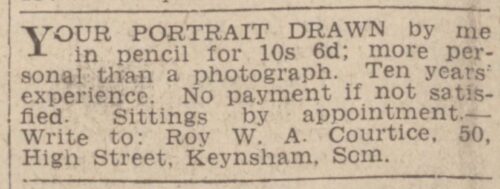
Roy Courtice (1911-1999) — worked as a commercial artist in Britain from the 1940s to the 1970s. Packaging he designed for Max Factor cosmetics won an award in the Second British Paper Box and Carton Design Contest 1954. Courtice was a Member of the Society of Industrial Artists (MSIA). He advertised a “sittings by appointment” to draw portraits “more personal han a photograph”. Courtice is not credited with an article or poem but with the cover design of Gangrel #2 #3 and #4.
Lawrence Durrell (1912–1990) — was the expatriate British novelist and poet later celebrated for The Alexandria Quartet, and already belonged to the international literary network surrounding Henry Miller and Alfred Perlès. He contributed “Conon in Alexandria” (Gangrel #1), an intriguing early manifestation of the Alexandrian imaginative world that became central to his mature writing.
John Gawsworth (1912–1970) — was the pen name of Terence Ian Fytton Armstrong, an English poet, critic, editor, bibliographer and prolific literary collector deeply embedded in London’s “little magazine” culture. He met and befriended the young Lawrence Durrell in 1932. poet, Gawsworth was founder-editor of the English Digest, July 1939–41; edited Poetry Review, 1945–52; Salamander (with John Cromer), 1941–c. 1947; and The Literary Digest from 1946. He and Orwell corresponded in 1946-1947 about reprinting an article from Tribune. A letter was sold at at auction in 1980 but its location is unknown. ‘Lear and Nonsense Poetry’ appeared in abridged form in the Autumn 1948 issue of The Literary Digest. Gawsworth contributed “Embarking for Sicily” (Gangrel #3).
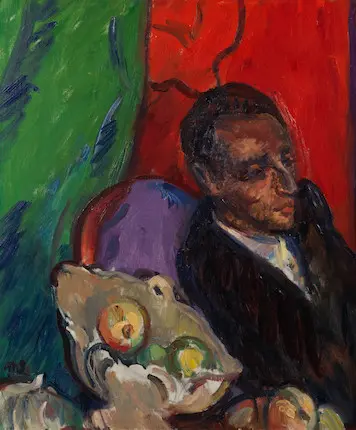
Thomas Good (1901-1970) — was an English poet who spent much of his life in Europe, often residing in Aix-en-Provence. He resided in Pimlico during the Blitz where he became acquainted with Dylan Thomas and made many Fitzrovian contacts. His poems, translations and articles appeared in Poetry Quarterly, Poetry London, New Road, Counterpoint and Transformation. Good was friends with both Augustus John and Matthew Smith, a fellow francophile, who made three portraits of the writer. Good contributed “Two Poems” (Gangrel #4).
Muriel Grainger (1905-1998) — was an obscure British poet widely published in small magazines and anthologies. Her collection of poetry, “Music at Midnight” won the Lady Britain Trophy for best book published by a Society of Women Writers and Journalists member in 1949. Here is an odd, animated recital of one of her rather funereal poems. Grainger was a repeat contributor to Gangrel, publishing “Annunciation” (Gangrel #1) and “Poem” (#2).
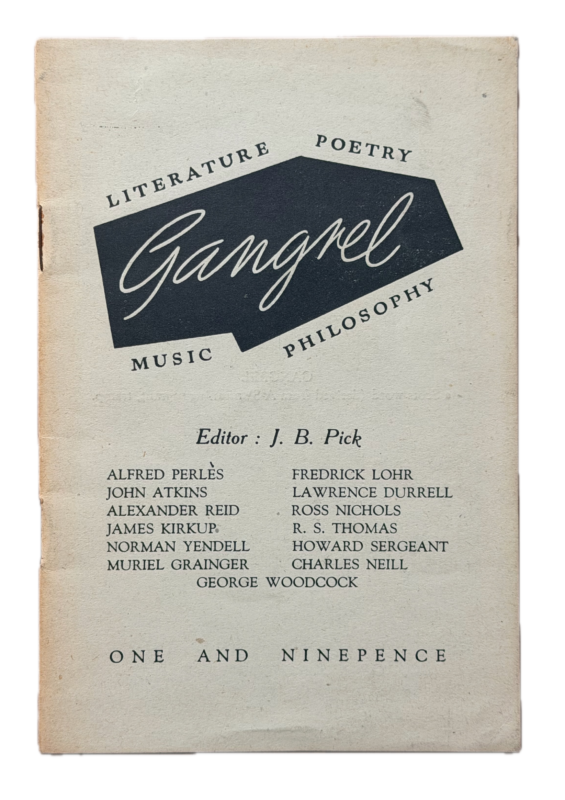
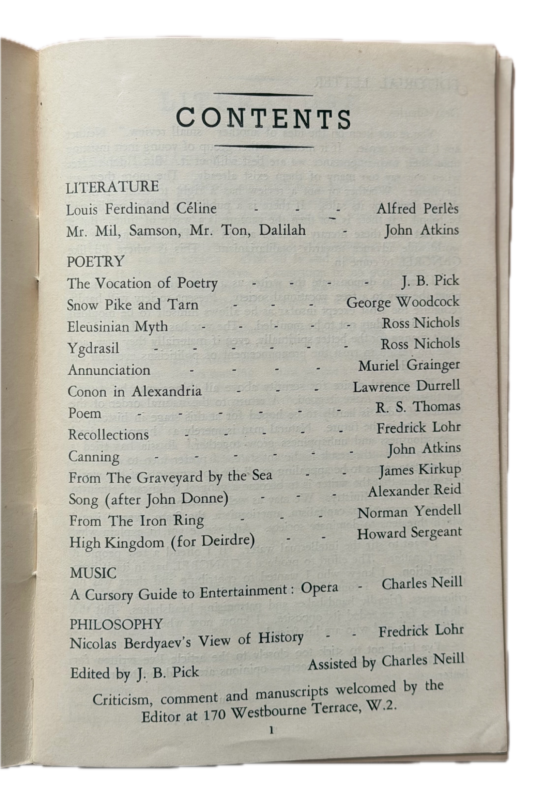
John Graddon (1901-1984) — was the Honorary Treasurer (1947-1964) of The Poetry Society, founding and editing The Voice of Youth, their quarterly publication for younger readers. Graddon was a member of the editorial board for The Poetry Review. Graddon contributed “The General” (Gangrel #4).
Neil M. Gunn (1891–1973) — was one of the major novelists of the Scottish Renaissance and was personally close to Pick. Best known for Highland River and The Silver Darlings. Pick commenced a life long interest with his writing when he published, “The Work of Neil M. Gunn” (Gangrel #2). Gunn contributed “Why I Write” (#4).
Rayner Heppenstall (1911–1981) — was a British novelist, poet, critic and BBC producer who knew Orwell personally and famously shared lodgings with him during the 1930s. He contributed “Why I Write” (Gangrel #4), where Pick juxtaposed his account of literary motivation with those of Orwell, Gunn and Perlès.
Mark Holloway (1917-2004) — was a the British writer associated with anarchism, communalism and the history of utopian communities. After earning his B.A. in English literature in 1940 from Trinity College, Cambridge (where he edited the university paper, Granta and was active in the Communist Party) Holloway joined the Royal Navy but soon declared himself a conscientious objector. He contributed “First Fear” (Gangrel #3).
Claude Houghton (1889–1961) — was an English novelist noted especially for psychologically and philosophically oriented fiction such as I Am Jonathan Scrivener. He contributed “Temptation” (Gangrel #4), representing an older established literary generation among Pick’s younger writers. Pick had requested Houghton also produce a “Why I Write” essay but this never eventuated.
James Kirkup (1918–2009) — was an English poet, translator and travel writer who subsequently enjoyed a long international literary career, particularly in Europe and Japan. Kirkup was yet another conscientious objector. He contributed “From The Graveyard by the Sea” (Gangrel #1) and “The Vigil” (#4).
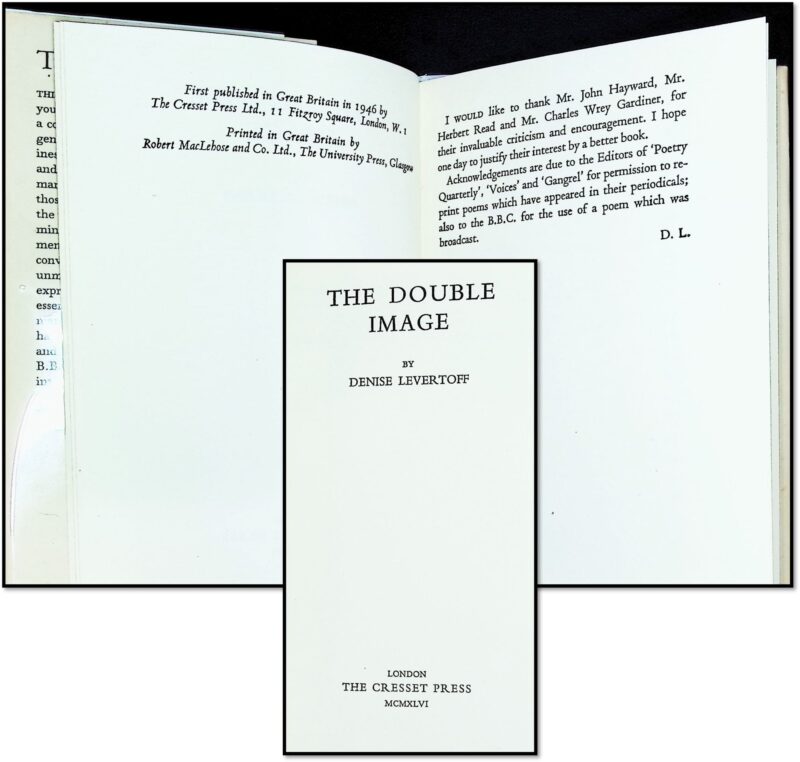
Denise Levertov (1923–1997) — was British-born but emigrated to the United States and became a major American poet associated with the Black Mountain milieu and politically engaged poetry. During the Blitz, Levertov worked in London as a civilian nurse. She had personal connections with Pick, Stephen Peet and the Westbourne Terrace world. Levertov had a relationship with Peet whom she met while he was volunteering for the Friends Ambulance Unit. Levertov’s first collection of poems, The Double Image, was published in 1946. She contributed “Two Poems” (which appeared in her first collection of poetry with thanks to Herbert Read) and “Three Years”, an essay about her experiences as a nurse (Gangrel #4)
Fredrick Lohr — was the pacifist speaker, philosophical anarchist and founder of the London Forum who became one of Pick’s most important intellectual friends. Lohr invited Pick and his wife to live at 170 Westbourne Terrace. His substantial contributions to Gangrel include “Recollections” and “Nicolas Berdyaev’s View of History” (Gangrel #1), “Nietzsche” (#3) and “Crisis in History” (#4).
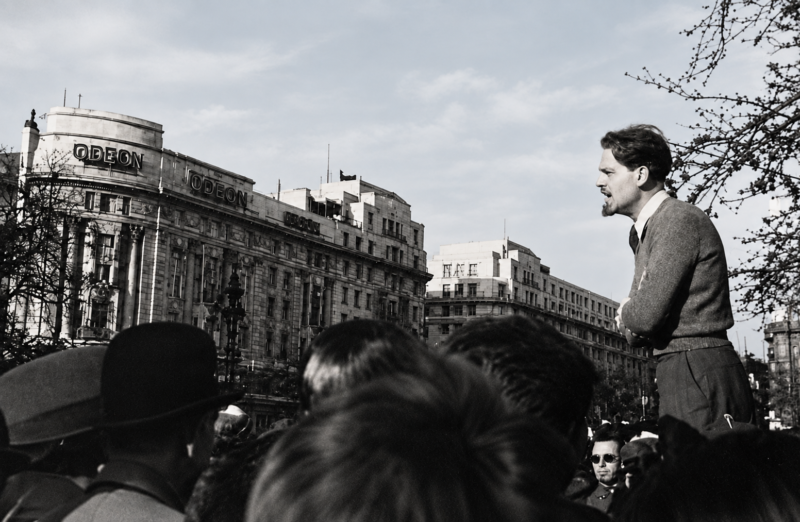
Hugo Manning (1913–1977) — was a British poet and translator active in the small press and little magazine culture. In 1948 he became Poetry Editor for The New Statesman. He contributed “Ode” (Gangrel #2).
Henry Miller (1891–1980) — was the American author of Tropic of Cancer and a central figure in the expatriate modernist world surrounding Alfred Perlès and Lawrence Durrell. He contributed “Vive La France” (Gangrel #2) and “Letter to Emil” (#3), almost certainly entering Pick’s magazine via the personal network surrounding Perlès. Miller’s unique voice is explored by Orwell in the essay, Inside the Whale (1940).
John McNee — contributed “A Cursory Guide to Entertainment: Films” (Gangrel #2).
George Moor — was a poet, translator, novelist and teacher best known for the underground novel, The Pole and Whistle (1966). He contributed “John Milton” (Gangrel #4).
Nicholas Moore (1918–1986) — was an English poet associated with the New Apocalyptics and one of the extraordinarily prolific young poets of the 1940s. He was the son of Cambridge philosopher G.E. Moore. He contributed “Jimmie Rushing and a Possible Poetry” (Gangrel #2) which was placed in the magazine’s Music section rather than under Poetry.
William Montgomerie (1904–1994) — was a Scottish poet, folklorist, editor and scholar closely connected with the Scottish literary renaissance; Pick himself later wrote his obituary saying his friend was “a treasure house of information and a master of sharp perception. He shared light, not darkness, and his scholarship was meticulous”. He contributed “Edwin Muir and Hugh MacDiarmid” (Gangrel #3).
Charles Neill — was Gangrel’s associate editor and has proven biographically illusive. He was Pick’s principal editorial collaborator, credited as “assisting” in Gangrel #1 and as Associate Editor in #2, #3 and #4. He also contributed “A Cursory Guide to Entertainment: Opera” (Gangrel #1). Neill managed Intimate Opera. NB. Charles Neill is identified In British Literary Magazines: The Modern Age, 1914-1984 as Bishop Stephen Charles Neill. This is incorrect.
Ross Nichols (1902–1975) — was an English poet, writer and esoteric thinker who later became a leading figure in modern Druidry and founded the Order of Bards, Ovates and Druids. He contributed “Eleusinian Myth” and “Ygdrasil” (Gangrel #1), “D. H. Lawrence, Summary and Question” (#2) and “Criterion of Greatness” (#4), showing that he was one of Pick’s more substantial recurring contributors. Check out his photo at the link above.
George Orwell (1903–1950) — Orwell was the novelist, essayist and journalist whose Animal Farm had appeared in 1945 and who had connections with George Woodcock, Freedom Press and other libertarian intellectuals in Pick’s wider milieu. His sole contribution was the celebrated essay “Why I Write” (Gangrel #4) published alongside essays bearing the same title by Heppenstall, Gunn and Perlès.
Kenneth Patchen (1911–1972) — was an American poet and visual artist whose work combined formal experimentation, social radicalism and pronounced pacifism, sometimes anticipating aspects of the later Beat movement. He contributed “Ballade of the War” (Gangrel #3).
Stephen Peet (1920–2005) — was a Quaker, Friends’ Ambulance Unit volunteer and wartime prisoner who subsequently became an important documentary filmmaker and oral historian for the BBC. Pick and he attended Sidcot School. Peet lived for a period at 170 Westbourne Terrace. He contributed “The Moon (from the Greek)” (Gangrel #3).
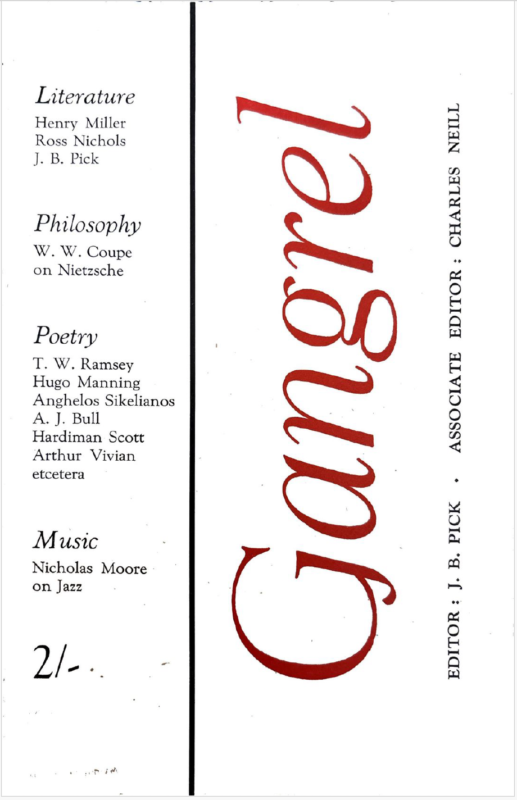
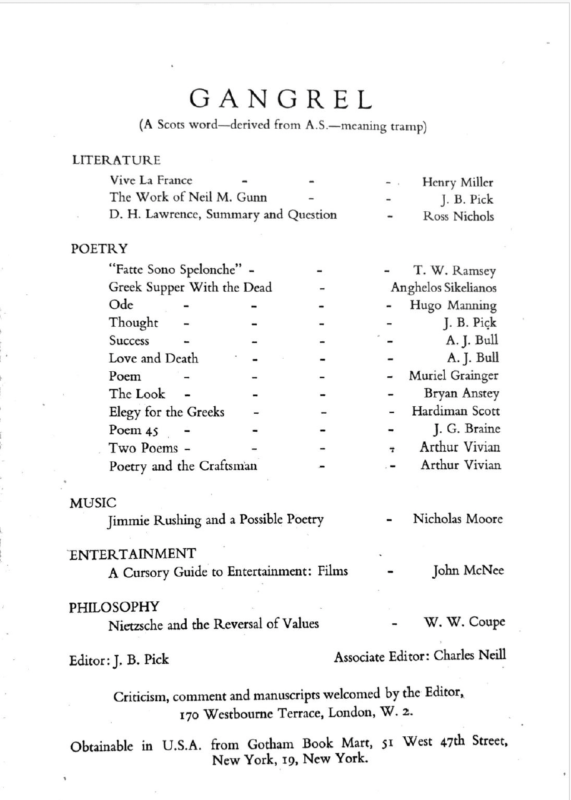
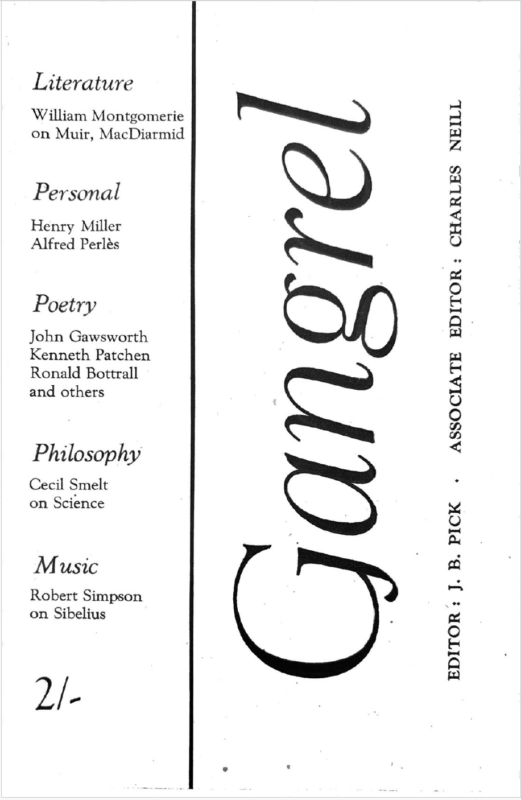
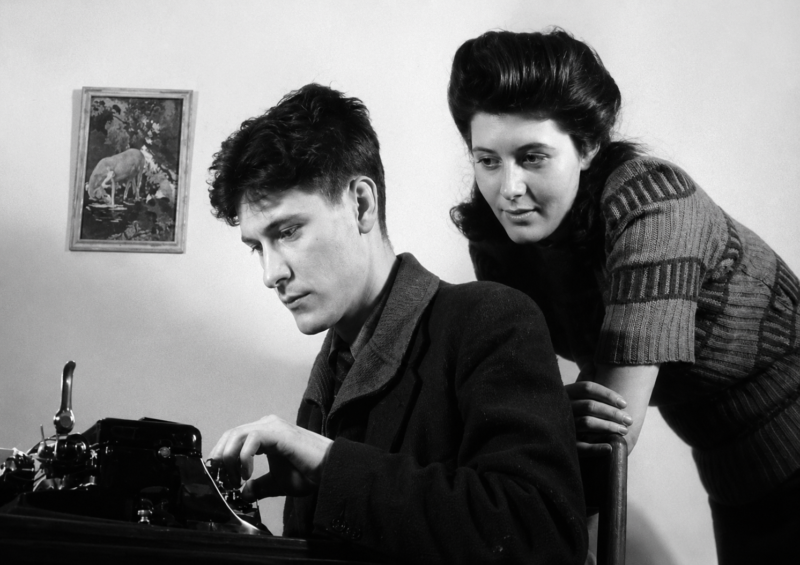
Alfred Perlès (1897–1990) — “Fred” was an Austrian-born novelist, journalist and memoirist best remembered for his intimate friendships with Henry Miller, Lawrence Durrell and Anaïs Nin. He lived at 170 Westbourne Terrace and became a close friend of Pick contributing “Louis Ferdinand Céline” (Gangrel #1), “Paris, Belsen etcetera” (#3) and “Why I Write” (#4).
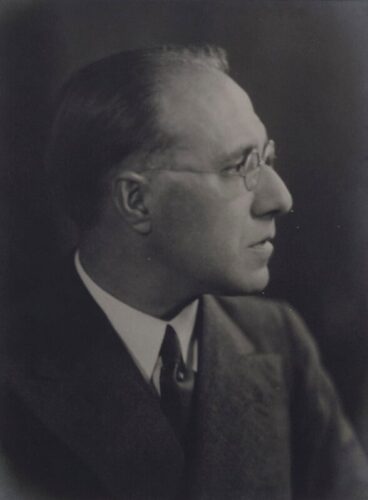
J. B. Pick (1921–2015) — John Barclay Pick was the novelist, poet and essayist who edited all four issues of Gangrel from 170 Westbourne Terrace and later memorialised the circle surrounding that address. His signed contributions were “The Vocation of Poetry” (Gangrel #1), “The Work of Neil M. Gunn” and “Thought” (#2), “Manifesto on Poetry” (#3), and “Two Poems” (#4).
T. W. Ramsey (1892-1952)— Thomas Weston Ramsey was a poet and Italian translator. He was the President of The Poetry Society (while John Graddon was treasurer and Muriel Spark, General-Secretary) Ramsey contributed “Fatte Sono Spelonche” (Gangrel #2), “Eighth Army” (No. 3) and “Epigrams” (#4).
Alexander Reid (1914–1982) — was a Scottish poet, dramatist and critic associated with the Scottish literary renaissance and particularly with Hugh MacDiarmid. He contributed “Song (after John Donne)” (Gangrel #1).
(Peter) Hardiman Scott (1920–1999) — was a poet who became a journalist, broadcaster and first BBC Political Editor. He contributed “Elegy for the Greeks” (Gangrel #2) and “First Days of March” (#4).
Howard Sergeant (1914–1987) — was an English poet and editor who founded Britain’s oldest independent poetry magazine, Outposts. He became an important promoter and anthologist of post-war British poetry. Sergeant contributed “High Kingdom (for Deirdre)” (Gangrel #3).
Anghelos Sikelianos (1884–1951) — was one of modern Greece’s major poets, combining classical Greek culture, symbolism, mysticism and ideas of spiritual regeneration. He contributed “Greek Supper With the Dead” (Gangrel #2). “Anghelos Sikelianos” is the spelling printed by Gangrel.
Robert Simpson (1921–1997) — was an English composer, broadcaster and musical writer subsequently renowned for his symphonies, string quartets and championship of composers such as Bruckner and Nielsen. He contributed “Sibelius and Musical Movement” (Gangrel #3).
Cecil Smelt — was a physicist, philosophical sceptic and London Forum participant whom Pick describes in A Nest of Anarchists as residing at 170 Westbourne Terrace. He contributed “Word and Scientific Symbol” (Gangrel #3).
R. S. Thomas (1913–2000) — was an Anglican priest who became one of the outstanding twentieth-century Welsh poets writing in English. He was renowned for his austere treatments of landscape, Welsh identity, God and spiritual absence. Thomas contributed “Poem” (Gangrel #1) at this early stage of his literary career.
Arthur Vivian (1896-1959) — was the pseudonym of Arthur Vivian Burbury, a war hero and bon vivant. He published The Higher The Fewer (1927) and translated Psychopathia Sexualis (1886) into English in 1951. During the Second World War, Burbury, who was reputedly literate in 24 languages, was translator to the Commonwealth Agricultural Bureau. He served throughout the conflict as the Ministry of Information’s foreign press censor. Burbury, educated at Kings College Cambridge, held many honorary positions including fellowship of the Institute of Linguistics, membership of the Royal Society of Literature and the Council of the Poetry Society. He published widely and “lectured to rapt audiences”, providing private language tuition at a premium. Vivian was one of Gangrel‘s more substantial poetry contributors, publishing “Two Poems” and “Poetry and the Craftsman” (Gangrel #2), followed by “Preface to Prospective Book of Poems,” “Two Sonnets,” and “Ballade of the War” (#3).
John Waller (1917–1995) — was a British poet. He contributed “Truth and Fiction” (Gangrel #3).
George Woodcock (1912–1995) — was a writer, poet, critic and prominent anarchist deeply involved with the wartime Freedom Press milieu. He knew Orwell personally and later wrote The Crystal Spirit: A Study of George Orwell (1966). Woodcock contributed “Snow Pike and Tarn” (Gangrel #1), making his appearance an important contemporary bridge between Pick’s magazine and the British anarchist literary network.
Richard Wright (1908–1960) — contributed “Deeper Tones” (Gangrel #4). Need to tease out connection to George Padmore (1903-1959).
Norman Yendell (1906-1959) — contributed “From The Iron King” (Gangrel #1).